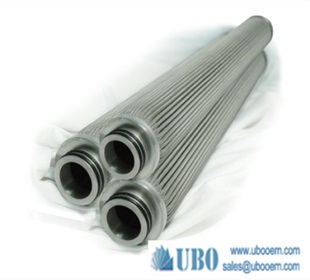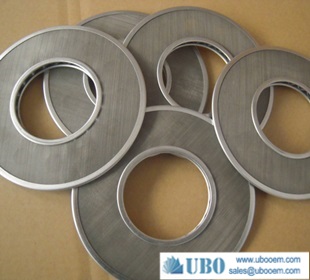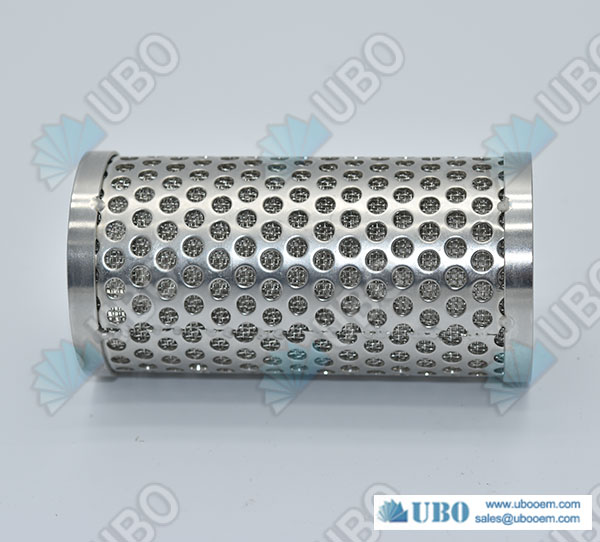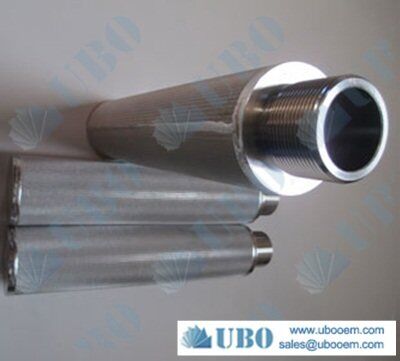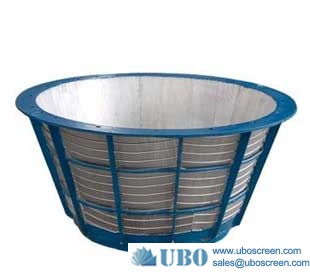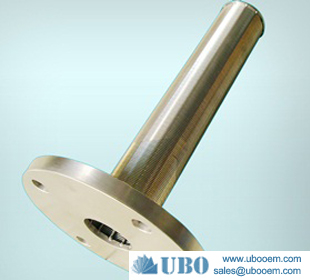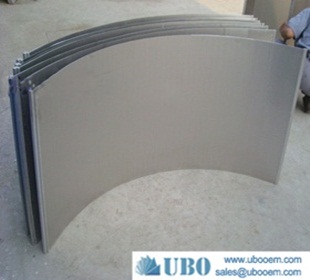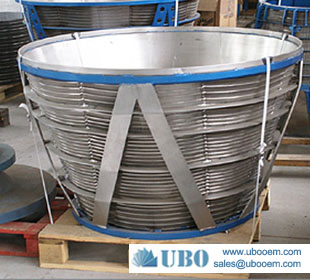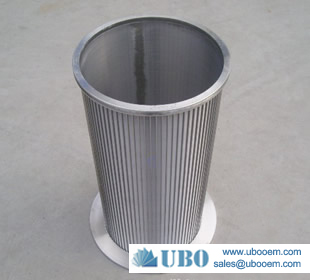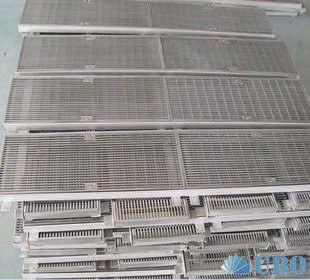
A sintered multilayer fabricated filter is a high-performance filtration medium made by bonding multiple layers of metal mesh or powder through a controlled sintering process at elevated temperatures. This process creates a rigid, integrated structure with a uniform and precisely defined pore network. Unlike traditional single-layer or woven filters, the multilayer design combines different mesh sizes to achieve both strength and fine filtration accuracy. As a result, sintered multilayer filters offer excellent mechanical stability, consistent micron-level retention, and reliable performance in demanding environments such as high pressure, high temperature, and corrosive conditions.
Sintered wire mesh has many advantages compare with other filter mesh, such as:
High strength and durability since high temperature sintering.
Anti-corrosion, and heat resistance up to 480 °C.
Steady filter rating from the 1micron to 100 micron.
Filter mesh not easy to deform because of two protective layers.
Can used for uniform filtration in high pressure or high viscosity environment.
Suits for cutting, bending, punching, stretching, and welding.
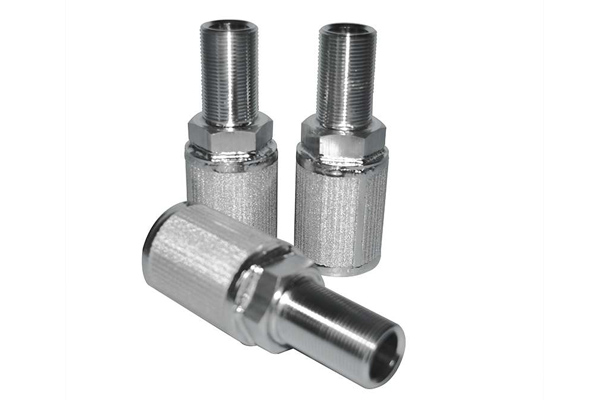
Sinter wire mesh filters are usually used for purification and filtration of liquid and gas, separation and recovery of solid particle, transpiration cooling under extremity high temperature, control air flow distribution, enhancement of heat and mass transfer, noise reduction, current limitation, and wildly used in aerospace, petrochemical industry, pharmaceutical industry, environmental protection industry.
The standard material for the Sintered multilayer fabricated filter is 316L stainless steel. 316L is the mostly chosen material with the balance of corrosion resistance, physical property and price. 304, 304L, 316 stainless steel is also available as request but not recommended.
For tougher and more demanding working fluid and environment, other exotic materials can be used for the sintered wire mesh and filter elements, such as 310S, 254 SMO, Monel 400, Inconel 600 625, Hastelloy C276, Hastelloy C22, Duplex 2205, Duplex 2507, etc.
Customization of all aspects is totally available to meet all your requirements.
Get a Free Quote for Stainless Steel Filter Nozzles
E-mail: sales@uboscreen.com
WhatsApp: 86-13653285589
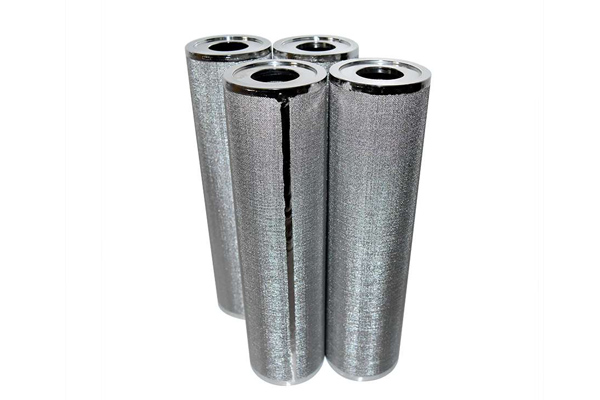
1. How do I choose the right micron rating for my application?
The ideal micron rating depends on your target particle size and allowable pressure drop. Start by identifying the smallest particles you need to remove, then select a filter with a slightly smaller rating to ensure effective capture without restricting flow.
2. Can sintered multilayer filters reduce maintenance frequency?
Yes. Their rigid structure and deep filtration design allow them to hold more contaminants before clogging. Combined with cleanability, this significantly reduces replacement frequency and overall maintenance costs.
3. Are these filters suitable for high-viscosity fluids?
They perform well in high-viscosity environments due to their stable pore structure and strength. However, proper design—such as increased filtration area or adjusted pore size—is important to maintain flow efficiency.
4. How do I clean and reuse a sintered multilayer filter effectively?
Common cleaning methods include backflushing, ultrasonic cleaning, and chemical cleaning depending on the contaminant type. Regular cleaning cycles help restore performance and extend service life without damaging the structure.
5. What factors should I consider before customization?
Key considerations include operating pressure, temperature, fluid type, required flow rate, and installation constraints. Providing these details ensures the filter is tailored for optimal performance and long-term reliability.
 Tel
Tel
 WhatsApp
 Message
 Email
Email