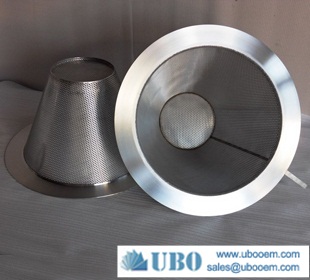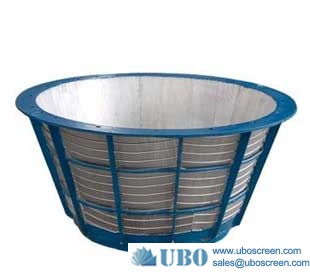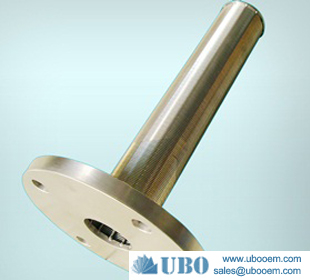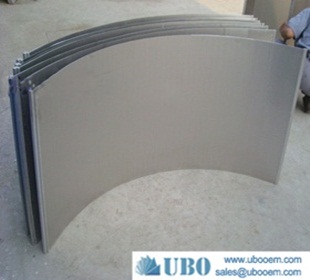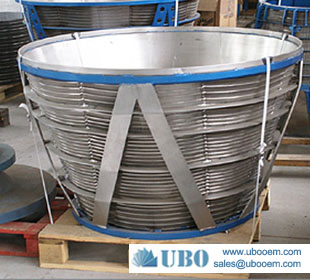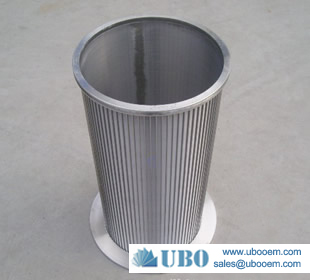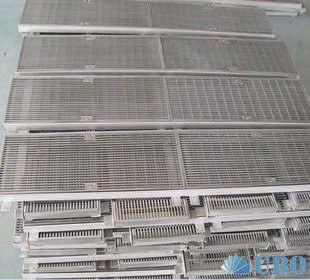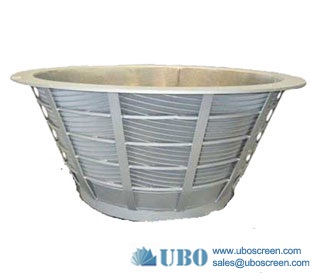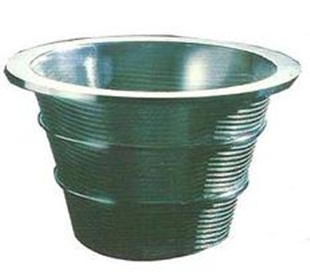
Cone wire mesh strainers are widely used in food processing, industrial filtration, chemical treatment, and liquid-solid separation systems. Selecting the correct stainless steel material is essential for improving corrosion resistance, extending service life, and maintaining stable filtration performance.
Among the available materials, SS304 and SS316 are the most commonly used for cone wire mesh strainers, while specialized alloys such as Duplex stainless steel or Hastelloy are suitable for highly corrosive industrial environments.
The performance of a cone wire mesh strainer largely depends on its material properties. Compared with carbon steel or plastic strainers, stainless steel offers:
Better corrosion resistance
Higher mechanical strength
Improved temperature resistance
Longer service life
Easier cleaning and maintenance
For filtration systems exposed to moisture, chemicals, saltwater, or acidic liquids, selecting the proper stainless steel grade can significantly reduce maintenance costs and prevent premature failure.
SS304 and SS316 are the two most widely used materials for cone wire mesh strainers.
| Feature | SS304 | SS316 |
| Corrosion Resistance | Good | Excellent |
| Chloride Resistance | Moderate | High |
| Food Processing | Excellent | Excellent |
| Chemical Resistance | Moderate | Superior |
| Cost | Lower | Higher |
| Best Application | General filtration | Chemical & marine systems |SS304 Stainless Steel
SS304 is ideal for general industrial filtration, food processing, restaurants, and water treatment applications. It provides excellent durability and affordability for environments without strong chemical exposure.
SS316 Stainless Steel
SS316 contains molybdenum, which improves resistance to chlorides and acidic solutions. It is commonly used in chemical processing, seawater filtration, pharmaceutical production, and high-salinity environments.
Although SS316 is more expensive, its superior corrosion resistance often reduces long-term replacement and maintenance costs.
Different operating environments require different material grades.
|
Application Environment |
Recommended Material |
|
Food processing |
SS304 / SS304L |
|
Beverage filtration |
SS304 |
|
Chemical processing |
SS316L |
|
Seawater filtration |
SS316 / Duplex 2205 |
|
Strong acid systems |
Hastelloy |
|
Offshore environments |
Titanium |
Choosing the correct material helps maintain stable filtration efficiency while extending equipment lifespan.
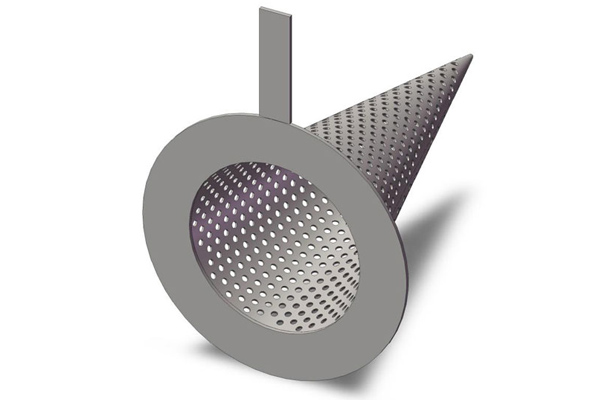
Mesh size directly affects filtration precision and flow rate.
Fine mesh (100–300 microns) is suitable for sauces, broths, and fine particle filtration.
Medium mesh (300–800 microns) is commonly used in beverage and liquid filtration.
Coarse mesh (800+ microns) is better for removing large debris, herbs, or pulp.
|
Filtration Task |
Recommended Mesh Size |
|
Fine sauce filtration |
100–200 micron |
|
Beverage filtration |
200–400 micron |
|
Pulp separation |
500–800 micron |
|
Large particle removal |
800+ micron |
Selecting an overly fine mesh may reduce flow rate and increase clogging risk.
Mesh construction also influences filtration performance and durability.
Twill Weave
Twill weave is commonly used for ultra-fine mesh filtration. Its double-wire overlap structure improves strength and prevents deformation at the cone tip under heavy liquid loads.
Plain Weave
Plain weave provides better airflow and lower resistance, making it suitable for general-purpose filtration applications.
Common Problems and Solutions
Mesh Clogging
Fine mesh strainers may become blocked by grease, pulp, or suspended solids.
Solution:
Regular cleaning and selecting a slightly larger mesh size can improve flow performance.
Corrosion and Pitting
Improper material selection may cause corrosion in acidic or high-chloride environments.
Solution:
Use SS316L or higher-grade alloys for chemical or marine applications.
Mesh Deformation
Heavy loads or improper handling may deform fine wire mesh structures.
Solution:
Twill weave mesh provides improved structural support for high-precision filtration systems.Cone Wire Mesh vs Perforated Cone Strainers
|
Feature |
Wire Mesh Strainer |
Perforated Strainer |
|
Filtration Precision |
High |
Moderate |
|
Fine Particle Retention |
Excellent |
Limited |
|
Flow Capacity |
Moderate |
Higher |
|
Suitable for Fine Liquids |
Excellent |
Moderate |
Wire mesh cone strainers are generally preferred for applications requiring precise filtration accuracy.
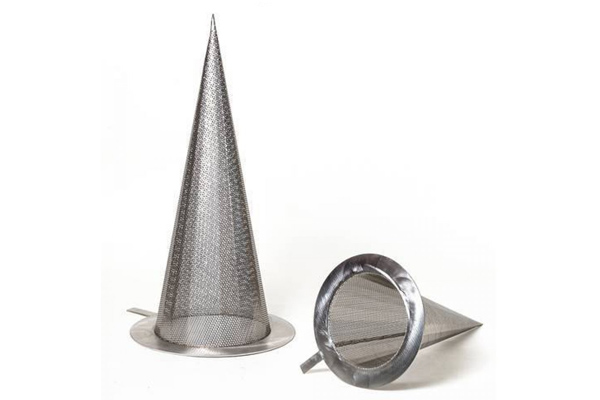
To maintain long-term performance:
Clean the mesh regularly
Avoid mechanical impact
Inspect for corrosion or deformation
Replace damaged mesh promptly
Proper maintenance helps improve filtration efficiency and extend service life.
What is the best stainless steel for cone wire mesh strainers?
SS304 is suitable for most general applications, while SS316 is better for corrosive or marine environments.
Is SS316 better than SS304?
SS316 offers better corrosion resistance, especially in chloride or acidic conditions, but it is more expensive.
What mesh size is best for sauce filtration?
Fine mesh between 100–200 microns is commonly used for sauces and broths.
Why is twill weave used in fine mesh strainers?
Twill weave improves structural strength and helps prevent mesh deformation in ultra-fine filtration applications.
Can stainless steel mesh strainers rust?
Low-grade stainless steel may corrode under harsh chemical exposure. Proper material selection is important for preventing rust and pitting.
Choosing the best stainless steel material for cone wire mesh strainers depends on the operating environment, filtration precision, and chemical exposure conditions. SS304 is suitable for general filtration applications, while SS316 and specialized alloys provide better protection in aggressive environments.
By selecting the proper material grade, mesh size, and weave structure, users can improve filtration efficiency, reduce maintenance costs, and extend equipment lifespan.
 Tel
Tel
 WhatsApp
 Message
 Email
Email