Filtration plays a critical role in chemical and petrochemical operations, where process reliability, product quality, and equipment protection are essential. Selecting the right filter cartridge can help reduce downtime, improve filtration efficiency, and extend the lifespan of downstream equipment.
Among various industrial filtration solutions, sintered metal felt filter cartridges are widely used because of their high mechanical strength, excellent permeability, and ability to withstand demanding operating conditions. However, choosing the right cartridge requires more than simply selecting a micron rating. Factors such as chemical compatibility, operating temperature, contaminant characteristics, and cleaning requirements should all be considered.
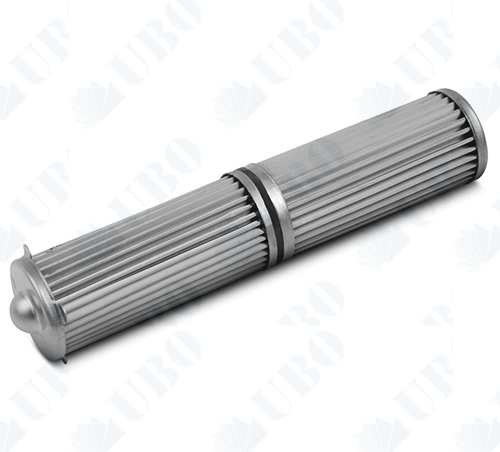
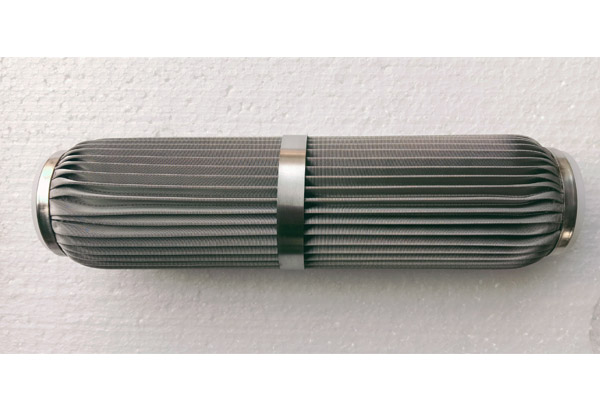
A sintered metal felt filter cartridge is a depth-filtration element manufactured from randomly arranged metal fibers that are bonded together through a sintering process. The resulting porous structure provides high dirt-holding capacity, excellent flow characteristics, and strong resistance to mechanical stress.
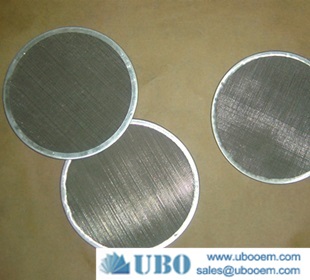
Compared with conventional wire mesh filter elements, sintered metal felt cartridges typically offer deeper particle retention, improved contaminant capture, and greater suitability for challenging industrial environments.
Choosing an inappropriate filter cartridge can negatively affect both process performance and operating costs.
Common issues associated with incorrect filter selection include:
Excessive pressure drop
Reduced filtration efficiency
Frequent cartridge replacement
Increased maintenance requirements
Premature equipment wear
Product contamination
Because chemical and petrochemical processes often involve corrosive fluids, elevated temperatures, and continuous operation, proper filter cartridge selection is essential for maintaining stable production and minimizing operational risks.
Chemical Compatibility
Chemical compatibility should be evaluated before selecting any filter cartridge material.
Different process fluids can have varying effects on metal components, especially in environments involving acids, alkalis, solvents, or chlorides. Selecting a material that is compatible with the process fluid helps prevent corrosion, contamination, and premature filter failure.
Common material options include:
316L stainless steel for general industrial applications
Titanium for highly corrosive environments
Inconel for elevated temperature conditions
Hastelloy for aggressive chemical processing
Material selection should always be based on the specific chemical composition of the process stream.
Operating Temperature
Temperature is another critical consideration in chemical and petrochemical filtration systems.
Many industrial processes operate under elevated temperatures that can challenge traditional filter media. Sintered metal felt cartridges are often selected because they maintain structural integrity and filtration performance under demanding thermal conditions.
When evaluating temperature requirements, operators should consider:
Maximum operating temperature
Continuous versus intermittent operation
Thermal cycling conditions
Potential temperature fluctuations during startup and shutdown
Proper temperature evaluation helps ensure long-term reliability and stable filtration performance.
Filtration Rating Requirements
The required filtration rating depends on the specific objectives of the process.
Applications focused on product purity may require finer filtration, while equipment protection applications may prioritize higher flow capacity and longer service life.
Typical objectives include:
Removing catalyst fines
Protecting pumps and valves
Improving product quality
Supporting downstream filtration stages
Maintaining process fluid cleanliness
Selecting an appropriate filtration rating helps balance contaminant removal efficiency with operational performance.
Contaminant Characteristics
Understanding the nature of contaminants is essential for selecting the right filter cartridge.
Important considerations include:
Particle size distribution
Solids concentration
Contaminant hardness
Particle shape
Expected contaminant loading
Processes with high contaminant concentrations may require filter cartridges with greater dirt-holding capacity and enhanced cleanability to maintain efficient operation.
Cleaning and Reusability
One of the key advantages of sintered metal felt filter cartridges is their ability to be cleaned and reused.
Depending on the application, cleaning methods may include:
Backflushing
Ultrasonic cleaning
Chemical cleaning
Clean-in-place (CIP) procedures
For continuous production environments, selecting a cartridge that supports effective cleaning can significantly reduce replacement costs and extend service life.
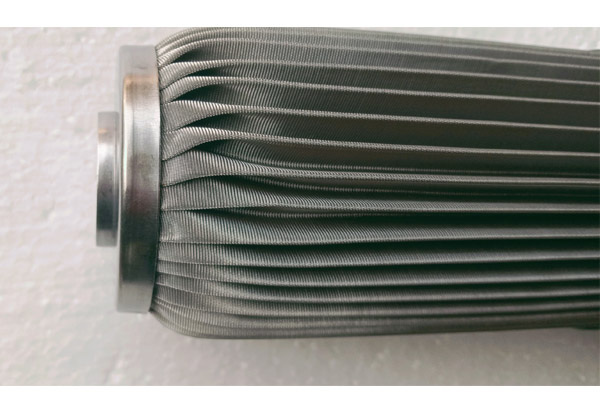
Sintered metal felt filter cartridges are widely used across chemical and petrochemical industries due to their durability and filtration efficiency.
Polymer Melt Filtration
Polymer production processes require effective removal of contaminants that may affect product quality or damage downstream equipment.
Catalyst Recovery Systems
These cartridges help capture valuable catalyst particles while maintaining efficient process operation.
Refinery Process Streams
In refining applications, filtration systems are often used to remove particulate contaminants and protect sensitive equipment.
Amine and Solvent Filtration
Maintaining fluid cleanliness is essential in gas treatment and chemical processing systems, making reliable filtration a critical component of process performance.
Several common mistakes can reduce filtration performance and increase operating costs:
Selecting materials without considering chemical compatibility
Focusing only on micron rating
Ignoring operating temperature conditions
Underestimating contaminant loading
Overlooking cleaning requirements
Choosing cartridges based solely on initial purchase cost
Avoiding these mistakes can improve system reliability and maximize filter service life.
What is the best material for chemical filtration applications?
The best material depends on the process fluid, operating temperature, and corrosion conditions. Stainless steel, titanium, Inconel, and Hastelloy are commonly used depending on application requirements.
How do I choose the correct filtration rating?
Filtration rating should be selected according to contaminant size, product quality requirements, and equipment protection objectives.
Are sintered metal felt filter cartridges reusable?
Yes. Many cartridges can be cleaned and reused through backflushing, ultrasonic cleaning, chemical washing, or CIP procedures.
Why are sintered metal felt cartridges widely used in petrochemical plants?
They offer high mechanical strength, excellent permeability, corrosion resistance, and reliable performance in demanding operating environments.
Choosing the right sintered metal felt filter cartridge for chemical and petrochemical processes requires careful evaluation of operating conditions, filtration objectives, and material compatibility. By considering factors such as chemical resistance, temperature requirements, contaminant characteristics, filtration rating, and cleaning methods, operators can improve filtration efficiency, reduce maintenance costs, and ensure long-term process reliability.
A properly selected filter cartridge not only protects equipment but also contributes to safer, more efficient, and more cost-effective plant operations.
 Tel
Tel
 WhatsApp
 Message
 Email
Email