Most replacement filter enquiries that stall do so for the same reason: the first message contains a part number and nothing else. A part number is a good start, but it is not enough to quote against, and the reply that follows — a list of questions — costs a day. The list below is what we actually need, in the order that matters.
The six details that remove the guesswork
- What the filter is removing, and from what. Particulate from air, aerosol from compressed gas, contamination from hydraulic oil — the medium, the duty and the acceptable downstream cleanliness all follow from this one answer.
- Working temperature, and whether it cycles. A continuous 80 °C and a repeated excursion to 120 °C point at different materials and different seal compounds.
- Flow rate at the element, not at the pump. Rated flow at the filter housing, plus the viscosity if the fluid is oil, is what allows a pressure drop estimate rather than a guess.
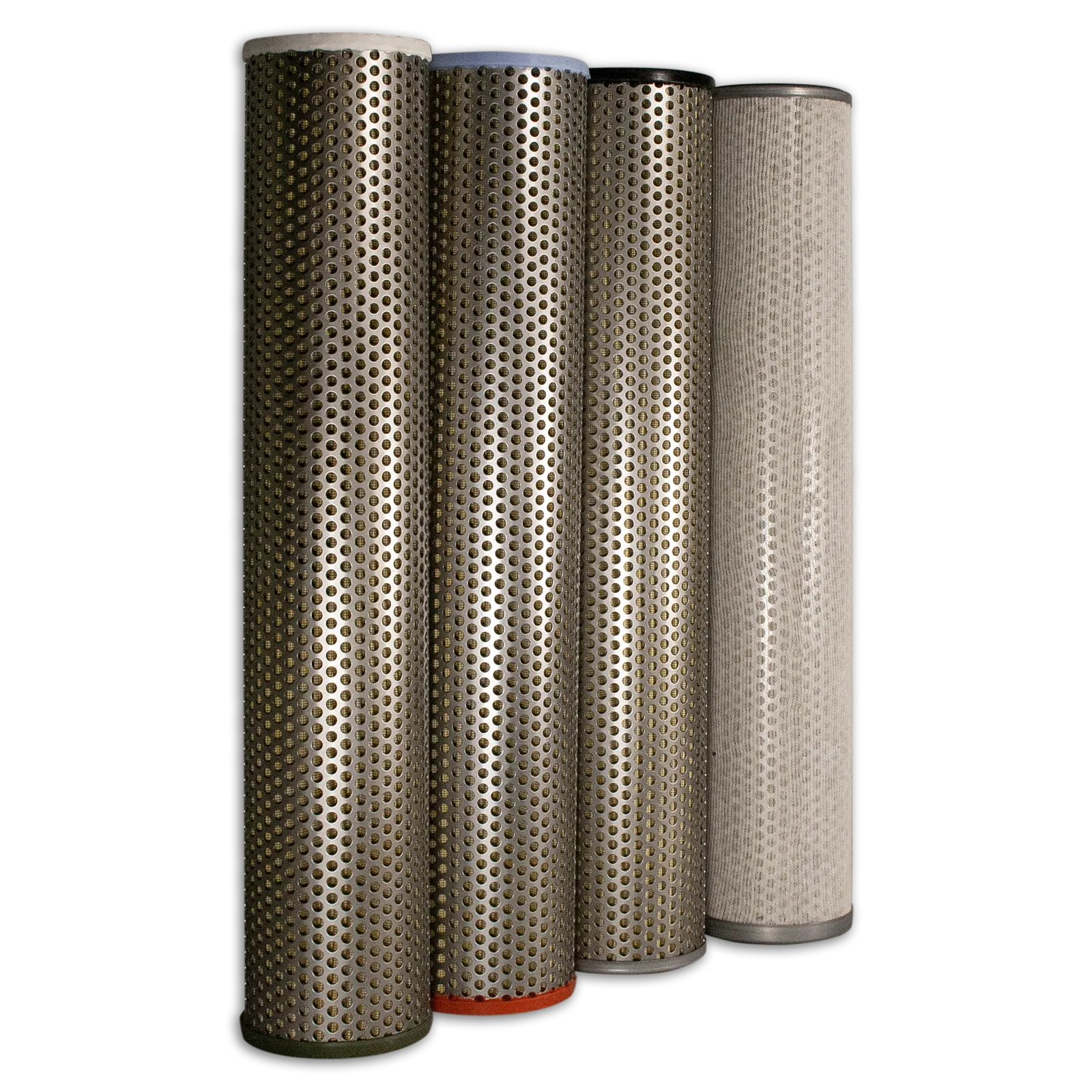
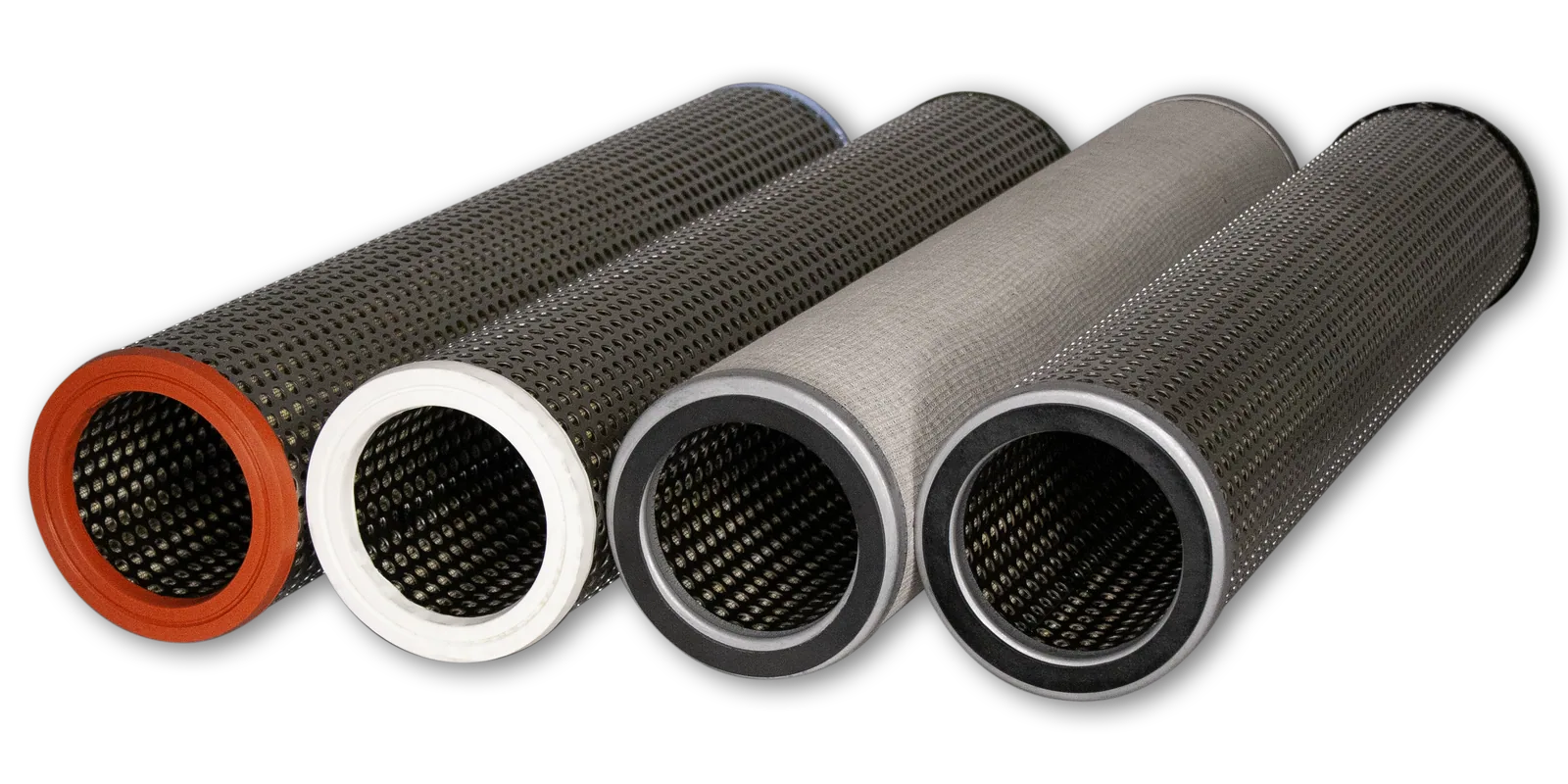
- Geometry. Outer diameter, inner diameter, overall height, end cap configuration and seal type — the same five measurements used to identify an unlabelled element.
- Connection and housing interface. Thread, bayonet, clamp ring, or a plain seat. A photograph of the housing opening is usually faster than describing it.
- Quantity and destination. A sample quantity, a first-order quantity and an annual figure are three different numbers, and the destination port determines which shipping option is worth quoting.
If you only have a photograph
Send it. A clear photograph of both end caps and the housing opening, with something in frame for scale, resolves end cap type, seal position and approximate dimensions. We will come back with the two or three measurements we still need rather than a full questionnaire.
If you have the competitor's part number
Include it exactly as printed, with the brand. Competitor numbering systems are not always sequential and an abbreviated form can point at a different element. If the number appears in our cross-reference list, we will show the corresponding YUBO model; if it does not, the number alone tells us the family but not the duty, so the six details above still apply.
What we will not guess at
We do not invent cross-references. If a competitor's element has no verified equivalent in our range, the honest answer is that we will build to the duty rather than claim an interchange. The same applies to performance figures: we quote what we can test and state the standard used, and we decline to publish efficiency claims we cannot support with a report.
How to send it
Use the contact form, reply to an existing thread, or attach drawings and photographs directly. Text in the body of an email is searchable and preferable to an image of a handwritten note. If the enquiry is urgent, say which date matters and why — it changes the order in which we work, and it is better to know at the start than at the end.