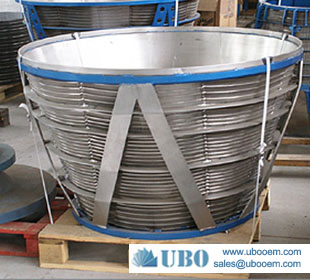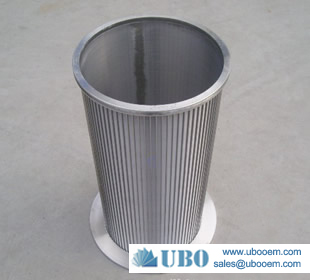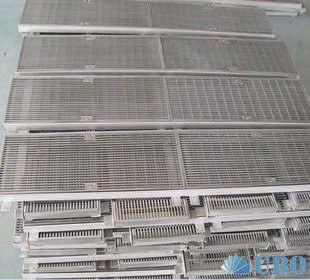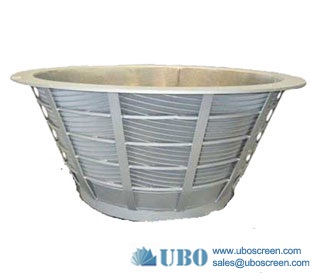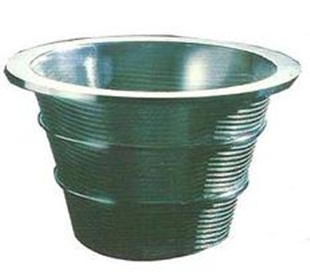
Header lateral distributors are widely used in industrial filtration, ion exchange, water treatment, and media filtration vessels. These systems play a critical role in ensuring even liquid distribution and collection inside pressure vessels and filter tanks. When properly designed, they help maintain stable flow rates, efficient backwashing, and consistent media performance.
However, problems within a header lateral distributor system can lead to uneven filtration, resin loss, increased pressure drop, and costly operational downtime. Understanding the most common issues and how to prevent them is essential for maintaining long-term filtration efficiency and protecting filter media.
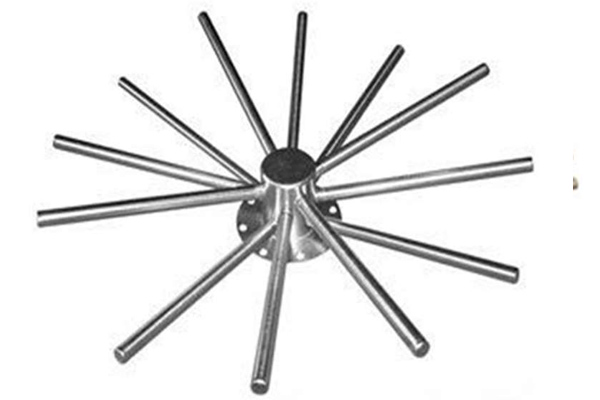
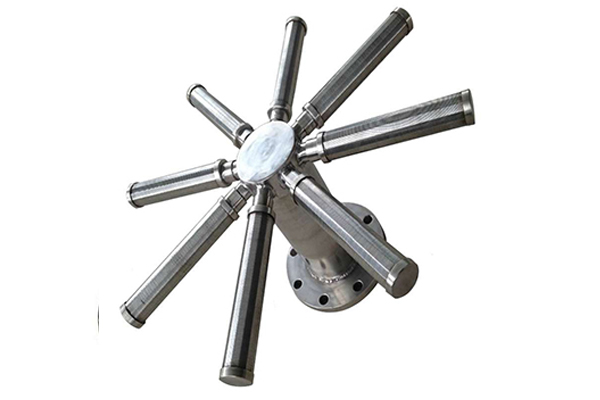
A header lateral distributor is a fluid distribution assembly commonly installed inside filtration and treatment vessels. The system typically consists of a central header pipe connected to multiple branch laterals extending across the vessel floor.
The laterals contain carefully designed slots or perforations that allow liquid to flow evenly throughout the vessel while retaining filter media or resin inside the system.
Header lateral distributors are commonly used in:
Sand filters
Activated carbon filters
Ion exchange vessels
Demineralization systems
Wastewater treatment equipment
Industrial pressure filters
Depending on the application, the system may be manufactured from stainless steel, PVC, alloy steel, or wedge wire screen laterals.
How Does a Header Lateral Distributor Work?
During operation, fluid enters the central header and flows through the lateral arms. The liquid is then distributed evenly across the media bed through the slots or openings in the laterals.
During backwash cycles, the flow direction reverses. Water moves upward through the distributor system to clean and expand the media bed, helping remove trapped contaminants and restore filtration efficiency.
A properly designed distributor system ensures:
Uniform flow distribution
Stable pressure balance
Effective media utilization
Efficient backwash performance
Reduced channeling and dead zones
Several operational symptoms may indicate issues within a header lateral system:
Sudden pressure drop changes
Uneven backwash expansion
Resin or media leakage downstream
Reduced filtration efficiency
Shortened filter run times
Increased chemical consumption
Dead zones inside the vessel
Abnormal flow velocity in specific areas
Early detection of these warning signs can help prevent severe equipment damage and costly shutdowns.
1. Uneven Flow Distribution and Channeling
One of the most common problems is uneven liquid distribution across the filter bed. When flow is not balanced, certain areas experience excessive velocity while other sections receive insufficient flow.
Causes
Poor distributor design
Incorrect lateral spacing
Pressure imbalance along the header
Inadequate vessel sizing
Improper backwash velocity
Impact
Uneven flow can create media channeling, poor filtration performance, and premature media exhaustion. It may also reduce chemical reaction efficiency in ion exchange systems.
2. Clogging and Scaling
Over time, the lateral openings may become partially or completely blocked by solids, biological growth, or mineral scaling.
Causes
Suspended particles
Calcium or mineral deposits
Biological fouling
Poor pretreatment
Media fines accumulation
Impact
Clogged laterals reduce flow capacity and create uneven liquid distribution. This often results in increased pressure drop and inefficient backwashing.
3. Media Migration and Resin Loss
Media or resin escaping from the vessel is another serious issue commonly associated with damaged laterals or oversized slot openings.
Causes
Broken lateral screens
Worn slot openings
Excessive slot tolerances
Cracked distributor components
Hydraulic shock
Even a small opening larger than the resin bead size may allow media to pass into downstream pipelines.
Impact
Resin loss can reduce treatment efficiency, contaminate downstream equipment, and increase operating costs due to media replacement.
4. Structural Failure
Header pipes and laterals may crack, deform, or collapse under excessive mechanical stress.
Causes
Heavy media loading
Poor pipe support
Water hammer effects
Aggressive air scouring
Material fatigue
Impact
Structural failure can severely disrupt system operation and may require complete vessel shutdown for repair.
5. Corrosion and Abrasion
Distributor components operating in harsh environments are often exposed to corrosive chemicals and abrasive particles.
Causes
Acidic or saline liquids
Improper material selection
High-velocity flow
Abrasive suspended solids
Impact
Corrosion weakens the distributor structure, while abrasion gradually enlarges slot openings and reduces filtration accuracy.
Proper maintenance is essential for extending the service life of a header lateral distributor system.
Recommended practices include:
Regular inspection of laterals and header connections
Monitoring differential pressure trends
Checking for resin carryover
Cleaning clogged openings during shutdowns
Verifying backwash flow distribution
Replacing damaged or worn laterals promptly
Tracking system performance data can also help identify early signs of distributor failure before major problems occur.
Choosing the Right Lateral Material
Material selection has a significant impact on distributor durability and filtration performance.
| Material |
|
Limitations | ||
| PVC | Low cost and lightweight | Limited temperature and chemical resistance | ||
| Perforated Pipe | Simple structure | Lower open area and clogging risk | ||
| Wire Mesh | Moderate filtration capability | Can wear or deform over time | ||
| Stainless Steel Wedge Wire | High strength and anti-clogging design | Higher initial investment |
For demanding industrial applications, stainless steel wedge wire laterals are often preferred because of their durability and precise slot control.
Why Wedge Wire Laterals Are Preferred
Wedge wire laterals provide several important advantages compared to traditional perforated pipes or mesh screens.
Key benefits include:
Continuous slot openings
High open area for improved flow
Excellent mechanical strength
Reduced clogging tendency
Better backwash efficiency
Accurate slot sizing
Long service life
Strong corrosion resistance
The smooth V-shaped wire profile also helps reduce particle buildup, making wedge wire systems ideal for filtration and ion exchange applications.
FAQ
What causes uneven flow distribution in a header lateral system?
Uneven flow is usually caused by poor distributor design, clogged laterals, incorrect backwash rates, or pressure imbalance within the vessel.
How often should header laterals be inspected?
Inspection frequency depends on operating conditions, but most industrial systems should be checked during scheduled shutdowns or media replacement cycles.
What is the best material for lateral distributors?
Stainless steel wedge wire laterals are widely preferred for their strength, corrosion resistance, and anti-clogging performance.
Can clogged laterals be cleaned?
Yes. Many clogged laterals can be cleaned using chemical cleaning, water flushing, or mechanical cleaning methods depending on the type of fouling.
Why is resin leaking from my vessel?
Resin leakage is commonly caused by broken laterals, damaged slots, or oversized openings in the underdrain system.
Header lateral distributors are essential components in industrial filtration and ion exchange systems. Problems such as uneven flow distribution, clogging, resin loss, structural failure, and corrosion can significantly reduce system performance and increase operating costs.
 Tel
Tel
 WhatsApp
 Message
 Email
Email