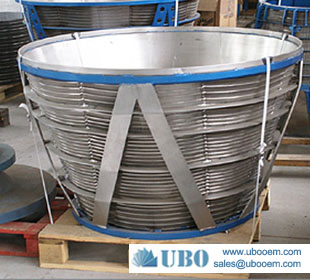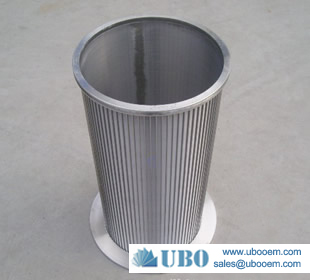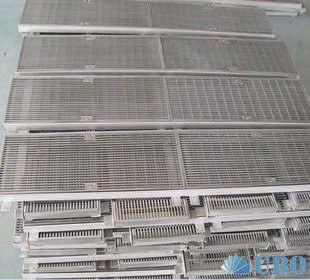
Pressure drop is one of the most important performance indicators in any solid-liquid separation system. In wedge wire centrifuge basket filters, pressure drop directly affects filtration efficiency, throughput capacity, energy consumption, and product recovery. While many operators focus primarily on slot size and filtration accuracy, understanding pressure drop behavior is equally critical for maximizing centrifuge performance and extending equipment service life.
Pressure drop refers to the reduction in fluid pressure as slurry or process liquid passes through the wedge wire basket surface. In centrifugal filtration systems, this pressure differential is generated by centrifugal force and fluid resistance across the screen media.
A certain level of pressure drop is necessary because it creates the driving force that separates liquid from solids. However, excessive pressure drop can lead to reduced flow capacity, increased energy demand, premature wear, and process instability.
For most industrial centrifuge applications, pressure drop is influenced by:
Understanding the relationship between these variables helps engineers design more efficient separation systems.
1. Slot Opening Size
Slot size is often the most significant factor affecting pressure drop.
Smaller slots provide finer particle retention but create greater hydraulic resistance. For example:
| Slot Size | Typical Pressure Drop Trend |
|---|---|
| 0.05 mm | High |
| 0.10 mm | Moderate-High |
| 0.25 mm | Moderate |
| 0.50 mm | Low |
Reducing slot width from 0.25 mm to 0.10 mm can increase pressure drop by more than 50% under identical operating conditions.
Therefore, selecting the smallest possible slot is not always the most efficient solution.
2. Open Area Percentage
Wedge wire baskets are widely used because they provide significantly higher open area than perforated plate alternatives.
Typical open area values include:
Higher open area reduces fluid velocity through each slot, resulting in lower pressure loss and improved throughput.
A basket with 40% open area may experience substantially lower pressure drop than a comparable basket with 20% open area while maintaining the same filtration performance.
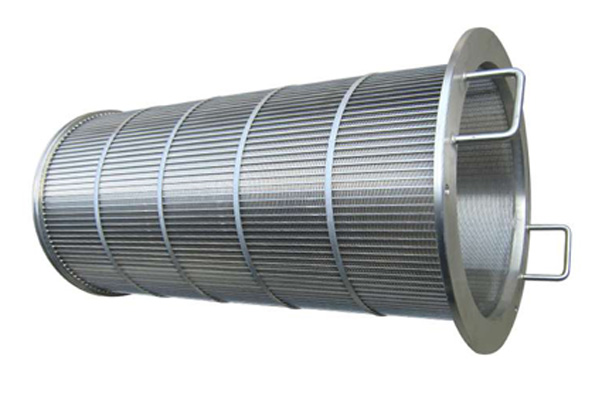
The unique V-shaped profile of wedge wire screens creates an inward-widening slot structure.
This design offers several advantages:
Unlike straight perforations, wedge wire slots become wider beneath the filtration surface, allowing particles to pass through without becoming trapped inside the screen.
This geometry helps maintain stable pressure drop throughout longer operating cycles.
As pressure drop increases, liquid flow through the basket decreases.
In high-volume applications such as:
even a modest increase in pressure drop can significantly reduce hourly production rates.
Many facilities observe a 10–20% decrease in throughput when screen blockage causes excessive pressure resistance.
Centrifuges compensate for higher flow resistance by requiring greater rotational energy to maintain separation performance.
Higher pressure drop can lead to:
Over time, the energy penalty associated with poorly optimized filtration surfaces can become substantial.
Effective dewatering depends on rapid liquid evacuation through the basket screen.
Excessive pressure drop slows filtrate removal, causing:
For industries selling products by dry weight, even a small increase in moisture content can directly impact profitability.
Accelerated Basket Wear
When pressure drop rises, fluid velocity through remaining open slots increases.
This localized velocity increase may cause:
Maintaining a balanced pressure profile extends basket lifespan and reduces replacement frequency.
During operation, retained solids gradually form a filter cake on the basket surface.
While a thin cake layer often improves particle capture, excessive buildup can dramatically increase resistance.
Symptoms include:
Routine cleaning and monitoring help prevent severe pressure loss.
A slot opening that is too small for the application can create unnecessary resistance from the beginning of operation.
Engineers should evaluate:
Balancing retention efficiency and hydraulic performance is essential.
Fluid viscosity strongly influences pressure drop.
Compared with water-like fluids, highly viscous slurries:
Applications involving starch, polymers, sugar syrups, or chemical slurries often require larger open areas to compensate.
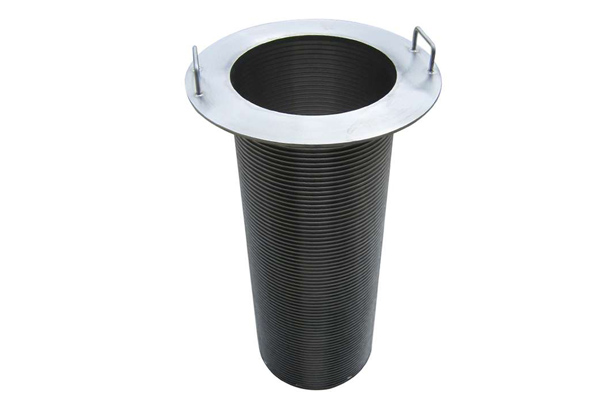
Increasing open area is often the most effective method for reducing pressure loss without sacrificing filtration quality.
Methods include:
Rather than choosing the finest available slot, engineers should select the minimum slot size necessary to retain target particles.
A properly engineered slot width typically provides:
Modern wedge wire designs feature optimized wire geometries that reduce hydraulic resistance while maintaining mechanical strength.
These profiles improve:
Regular inspection and cleaning can prevent pressure drop from increasing over time.
Recommended practices include:
Early detection of restriction issues minimizes downtime and production losses.
The acceptable range varies by application, but many industrial systems operate efficiently with pressure losses that remain stable throughout the filtration cycle. Sudden increases often indicate fouling or blockage.
No. Smaller slots improve particle retention but can significantly increase pressure drop, reduce flow capacity, and raise energy consumption.
Higher open area reduces fluid velocity through individual slots, lowering hydraulic resistance and improving overall flow performance.
Yes. Excessive pressure drop often causes localized high-velocity flow, which accelerates wear, erosion, and structural fatigue of the basket.
Pressure drop is a critical performance factor in wedge wire centrifuge basket filtration systems. While filtration accuracy remains important, excessive pressure loss can reduce throughput, increase energy consumption, compromise dewatering efficiency, and shorten basket lifespan.
By carefully balancing slot size, open area, wire profile geometry, and maintenance practices, engineers can achieve optimal separation performance while minimizing operating costs. Well-designed wedge wire centrifuge baskets provide an excellent combination of low pressure drop, high mechanical strength, and long-term filtration reliability, making them a preferred solution for demanding industrial solid-liquid separation applications.
 Tel
Tel
 WhatsApp
 Message
 Email
Email