In industrial pipeline systems, maintaining clean fluid flow is essential for protecting equipment and ensuring stable operation. Even small debris particles can damage pumps, clog valves, reduce efficiency, and increase maintenance costs.
A basket strainer is a widely used filtration device designed to remove unwanted solids from liquids or gases before they reach sensitive downstream equipment. Because of its simple structure, high flow capacity, and reliable filtration performance, the basket strainer has become an important component in many industrial processes.
This article explains what a basket strainer is, how it works, its common applications, and the key factors to consider when selecting the right strainer for industrial systems.
What Is a Basket Strainer?
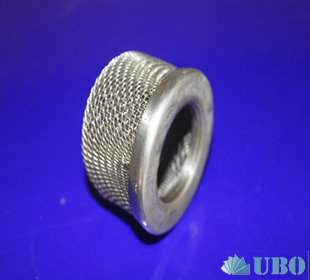
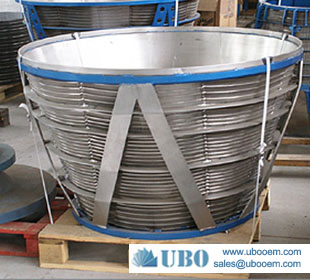
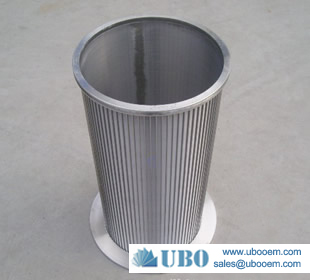
A basket strainer is a mechanical filtration device installed in a pipeline to capture debris, particles, and contaminants from flowing media. It typically contains a removable perforated basket or mesh screen that filters solid materials while allowing clean fluid to continue through the system.
The primary purpose of a basket strainer is to protect critical equipment such as pumps, valves, meters, heat exchangers, and nozzles from damage caused by foreign particles.
Basket strainers are commonly used in systems handling water, chemicals, oils, fuels, food products, and other industrial fluids.
How Does a Basket Strainer Work?
The operating principle of a basket strainer is relatively simple and highly effective.
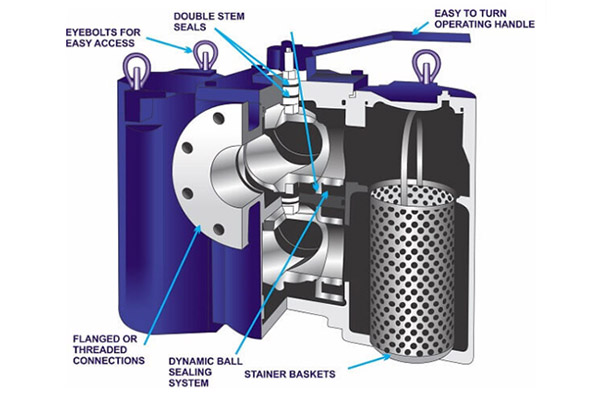
As liquid or gas enters the pipeline strainer, the flow passes through the internal basket element. The perforated or mesh basket traps solid particles, rust, sediment, and debris while the cleaned fluid moves downstream.
Over time, contaminants accumulate inside the basket. During scheduled maintenance, operators can remove and clean the basket to restore normal flow performance.
Depending on the application, basket strainers may support either manual cleaning or automated cleaning systems.
Basic Filtration Process
1. Contaminated fluid enters the strainer housing
2. Fluid passes through the basket screen
3. Solid particles are retained inside the basket
4. Filtered fluid exits the system
5. The basket is cleaned or replaced during maintenance
This process helps maintain stable flow conditions and reduces the risk of equipment failure.
Why Basket Strainers Are Important in Industrial Systems
Industrial systems often operate continuously under high pressure and flow conditions. Even small contaminants can create serious operational problems.
Basket strainers provide several important advantages:
Equipment Protection
Solid debris can damage pumps, seals, valves, and instrumentation. Basket strainers help prevent premature wear and expensive repairs.
Reduced Downtime
By stopping particles before they enter critical equipment, strainers reduce system blockages and unexpected shutdowns.
Improved Process Efficiency
Clean fluid flow helps maintain stable pressure, consistent production quality, and efficient equipment operation.
Lower Maintenance Costs
Filtering contaminants early in the process reduces maintenance frequency and extends equipment lifespan.
Common Types of Basket Strainers
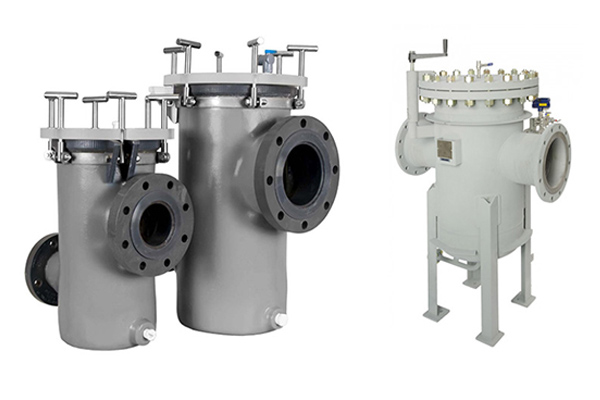
Different industrial systems require different filtration designs. The most common basket strainer types include:
Simplex Basket Strainer
A simplex basket strainer contains a single basket chamber. The system must be shut down temporarily during basket cleaning or replacement.
This design is commonly used in applications where periodic shutdowns are acceptable.
Duplex Basket Strainer
A duplex basket strainer uses two separate basket chambers connected by a valve system. One chamber can continue operating while the other is being cleaned.
This design is ideal for continuous industrial processes that cannot tolerate downtime.
Temporary Basket Strainer
Temporary strainers are often installed during system startup, commissioning, or maintenance periods to capture welding debris and installation particles.
Once the system is fully cleaned, the temporary strainer is removed.
Main Applications of Basket Strainers
Water Treatment Systems
In water treatment facilities, basket strainers help remove suspended solids, sediment, and debris from water pipelines.
They are commonly used to protect:
Pumps
Spray nozzles
Flow meters
Filtration equipment
Clean water flow improves treatment efficiency and reduces equipment maintenance requirements.
Oil and Gas Industry
Oil and gas pipelines often transport fluids containing sand, rust, scale, and other abrasive particles.
Basket strainers help maintain pipeline reliability by preventing contaminants from reaching pumps, valves, and processing equipment.
They are widely used in:
Crude oil transfer systems
Refining operations
Fuel handling systems
Offshore platforms
Food and Beverage Processing
Cleanliness and hygiene are critical in food manufacturing systems.
Basket strainers help remove impurities while maintaining product quality and protecting downstream processing equipment.
Common applications include:
Beverage production
Dairy processing
Syrup filtration
Ingredient transfer systems
Chemical Processing Plants
Chemical production systems require stable and contamination-free fluid handling.
Basket strainers help prevent unwanted particles from interfering with chemical reactions or damaging precision equipment.
Corrosion-resistant materials such as stainless steel are often used in chemical applications.
Materials Used in Basket Strainers
Basket strainers are manufactured using different materials depending on operating conditions and fluid compatibility.
Stainless Steel
Stainless steel basket strainers provide excellent corrosion resistance and durability. They are widely used in chemical, food-grade, and water treatment applications.
Carbon Steel
Carbon steel strainers are commonly used in oil, gas, and industrial utility systems where corrosion exposure is lower.
Specialized Alloys
For highly corrosive or high-temperature environments, strainers may be manufactured from duplex stainless steel, Hastelloy, or other specialty alloys.
Key Factors When Choosing a Basket Strainer
Selecting the correct basket strainer depends on several operational requirements.
Flow Rate
The strainer must support the required system flow without creating excessive pressure drop.
Mesh or Perforation Size
The filtration opening size determines which particles are removed from the fluid stream.
Pressure and Temperature
The strainer housing and basket material must withstand operating pressure and temperature conditions.
Fluid Compatibility
Material selection should match the chemical properties of the processed fluid to avoid corrosion or contamination.
Maintenance Requirements
For systems requiring uninterrupted operation, duplex basket strainers are often the preferred solution.
FAQ About Basket Strainers
What is the difference between a basket strainer and a filter?
A basket strainer mainly removes larger solid particles using a mesh or perforated basket, while filters are generally designed for finer filtration and smaller particle removal.
How often should a basket strainer be cleaned?
Cleaning frequency depends on fluid cleanliness, operating conditions, and contamination levels. Systems with high debris content may require more frequent maintenance.
Can basket strainers handle high flow rates?
Yes. Basket strainers are designed to support high-capacity industrial flow systems while maintaining low pressure drop.
Which industries commonly use duplex basket strainers?
Duplex basket strainers are widely used in industries that require continuous operation, including oil and gas, chemical processing, power generation, and water treatment.
What happens if a basket strainer is not maintained properly?
A clogged strainer can increase pressure drop, reduce flow efficiency, and potentially damage upstream or downstream equipment.
Are stainless steel basket strainers better than carbon steel?
Stainless steel offers better corrosion resistance and is preferred for aggressive chemicals, food-grade systems, and wet environments. Carbon steel is often more economical for standard industrial applications.
How do I choose the correct mesh size for a basket strainer?
The mesh size should match the particle size that needs to be removed while still maintaining acceptable system flow performance.
Can basket strainers be customized?
Yes. Manufacturers can customize basket size, housing material, connection type, pressure rating, and filtration specifications based on system requirements.

 Tel
Tel
 WhatsApp
 Message
 Email
Email